
✉️ esco@escofood.rs
📍Crvene armije 67,
Smederevo 11300
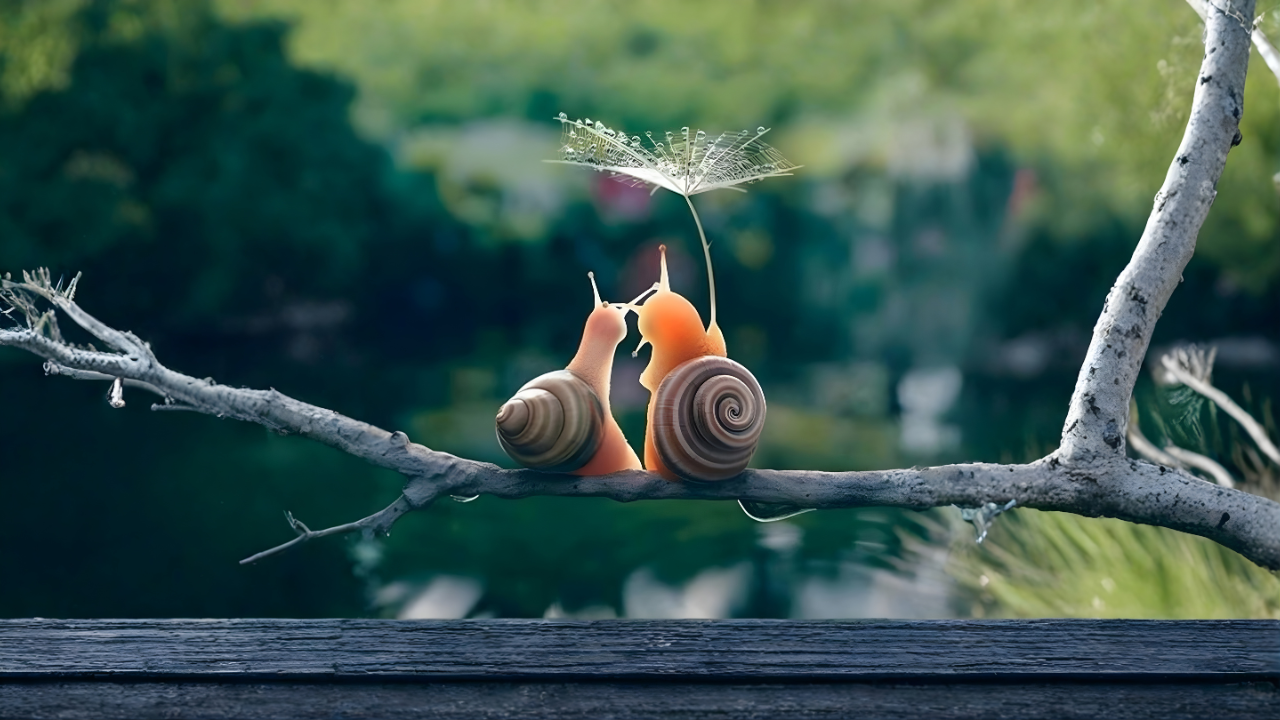
Introduction to the World of Snails
Snails are not only a delicacy in many cuisines but also fascinating creatures that reveal a wealth of interesting facts about their growth, diet, and cultural significance. Their role in tradition, gastronomy, and even cosmetics makes them unique and worthy of attention.
Snails are remarkably intriguing both as food and as part of cultural heritage. To obtain 1 kg of snail meat, depending on customer requirements, between 2.6 and 3.8 kg of live snails are needed.
The largest vineyard snails can weigh up to 115 grams, though such specimens are rare. For human consumption, snails aged around 3–4 years are most commonly used, with shells about 30 mm in diameter. Their age is determined by the number of spiral whorls on the shell—similar to how tree rings reveal the age of a tree.
It is important to note that snails are not recommended for consumption during hibernation, as they are inactive and their meat is unsuitable for preparation. Due to their low fat content, snail meat is considered lean and is often associated with healthy nutrition. In the Benelux countries, snails are traditionally eaten during major religious fasts such as Easter and Christmas, while in France they are prepared as the famous delicacy escargot. In Spain and Italy, snails are used in various dishes—from tomato-based recipes with spices to combinations with polenta.
Additional Facts and Cultural Context
The most prized species in European cuisine is Helix pomatia, also known as the “Burgundy snail.” Its farming, known as heliciculture, dates back to ancient Rome, where special “snail gardens” ensured a steady supply for feasts. Beyond gastronomy, snails also have a place in cosmetics—their mucus is used in luxury face creams, believed to aid in wound healing, wart treatment, and skin regeneration. In some cultures, snails are even considered symbols of fertility and longevity, further enriching their role in tradition and everyday life.