
✉️ esco@escofood.rs
📍Crvene armije 67,
Smederevo 11300
Healing Meat
Snail farming was once very popular in Serbia, mainly as a business expected to bring quick profit. However, many farms later closed because the promised earnings were unrealistic. Few emphasized the true benefits of snails in human nutrition. Since snails can be easily collected in nature to provide a quality meal, it is important to understand their nutritional values and significance.
Snails are a favorite delicacy in France and Italy, and they are also consumed in Germany, Japan, and the United States. In poorer countries, they serve as a source of protein, while in Serbia there is still skepticism about eating snails. As a result, they are rarely found in shops and restaurants, which is unfortunate given their significant nutritional value.
Biology and Edible Species of Snails
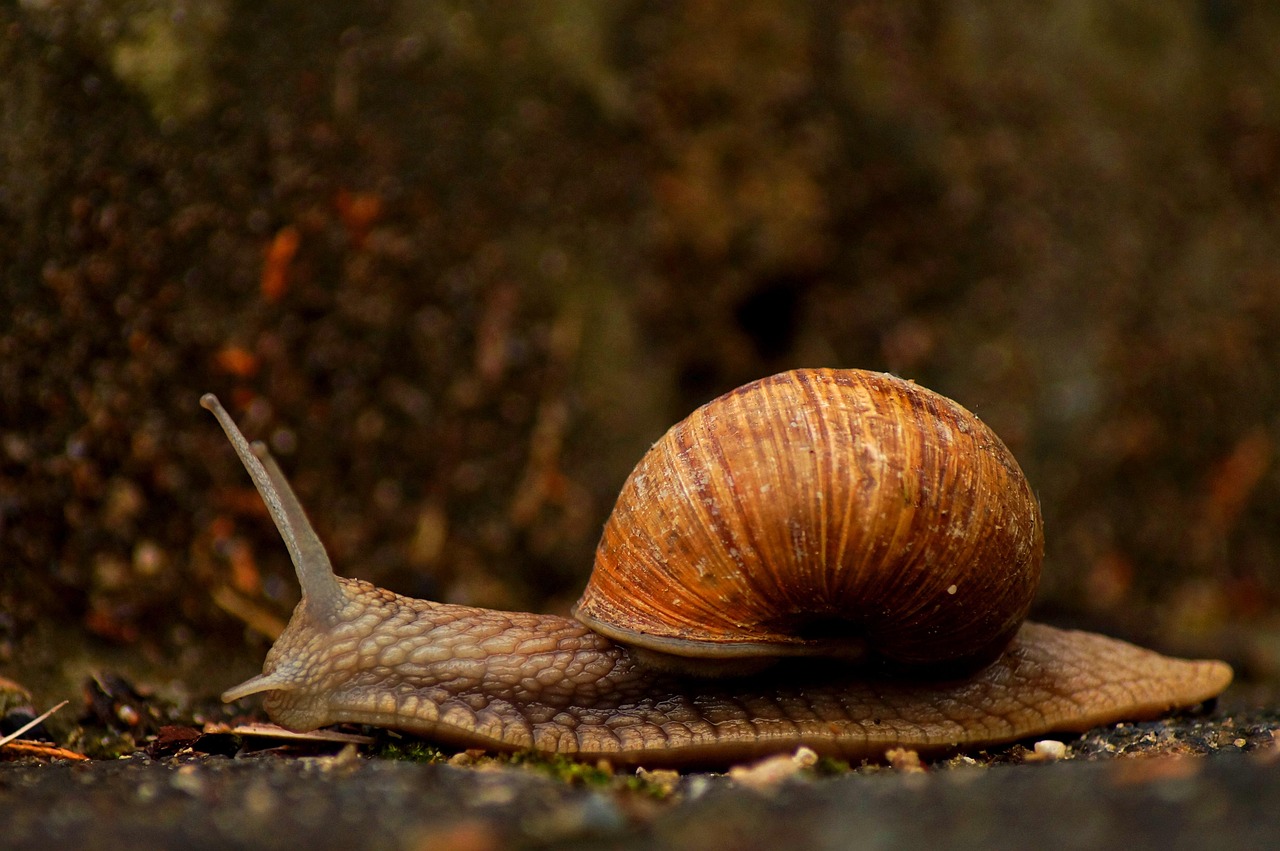
Snails are the most numerous class of mollusks and are present in almost all habitats. Two-thirds live in seas and wetlands, while humans consume only a small number of land species known as edible snails. The most common are:
Helix Lucorum – gray or forest snail (southern and eastern Serbia)
Helix Pomatia – vineyard snail (Vojvodina, Danube region, Hungary, Croatia)
Helix Aspersa – garden snail (Rudnik, Raška, Pešter; smaller and less commonly used)
In some countries, collecting and reselling snails is prohibited due to the risk of extinction, as they are an important link in the food chain. In Serbia, collection is regulated by law and usually takes place after rain in meadows and forests.
Preparation and Processing
Snails are most often purchased already boiled in cans, frozen, or dried and seasoned. Their meat is considered dietetically valuable and is recommended for various groups of people. This is confirmed by veterinarian Vladimir Stanojković, production director at the snail processing company ESCO d.o.o. FOOD COMPANY in Smederevo.
Survival Food in Nature
Survival experts often teach how to use snails as food when lost in nature, without the comforts of a kitchen. Collected snails should be pierced in several places with a knife or stick, then placed on hot coals. The mucus and body fluids will drain out through the holes. Turn them to roast evenly, then remove from the shell. Separate the edible part—the foot—season with salt, and eat.